Pest control is a critical service for ensuring homes, businesses, and public spaces remain safe, clean, and healthy. Pests such as insects, rodents, and other unwanted animals can damage property, contaminate food, and transmit diseases that pose serious risks to human health. Implementing effective pest control strategies prevents infestations, protects people, and preserves the value of property. By combining preventive measures, modern techniques, and professional expertise, pest control helps create safe and comfortable living and working environments for families, employees, and communities.
One of the most important reasons for pest control is safeguarding human health. Many pests carry dangerous bacteria, viruses, and parasites. Mosquitoes, for example, can transmit malaria, dengue, and Zika virus, while rodents can spread leptospirosis, hantavirus, and salmonella. Cockroaches, bedbugs, and fleas may trigger allergies, asthma, and skin irritations, especially in children, the elderly, and people with compromised immune systems. Regular pest control measures help minimize the risk of disease transmission and maintain a healthier environment. Public spaces such as schools, hospitals, and restaurants particularly benefit from proactive pest management to ensure hygiene and safety standards are consistently met.
Protecting property is another key reason for pest control. Termites, carpenter ants, and rodents can cause severe structural damage if infestations are left untreated. Termites alone account for billions of dollars in property damage worldwide each year. Rodents frequently chew on electrical wiring, insulation, and furniture, creating fire hazards and costly repairs. Professional pest control services provide early detection, targeted treatments, and regular monitoring to prevent long-term damage. By addressing infestations promptly, homeowners and businesses can maintain the safety, functionality, and value of their properties.
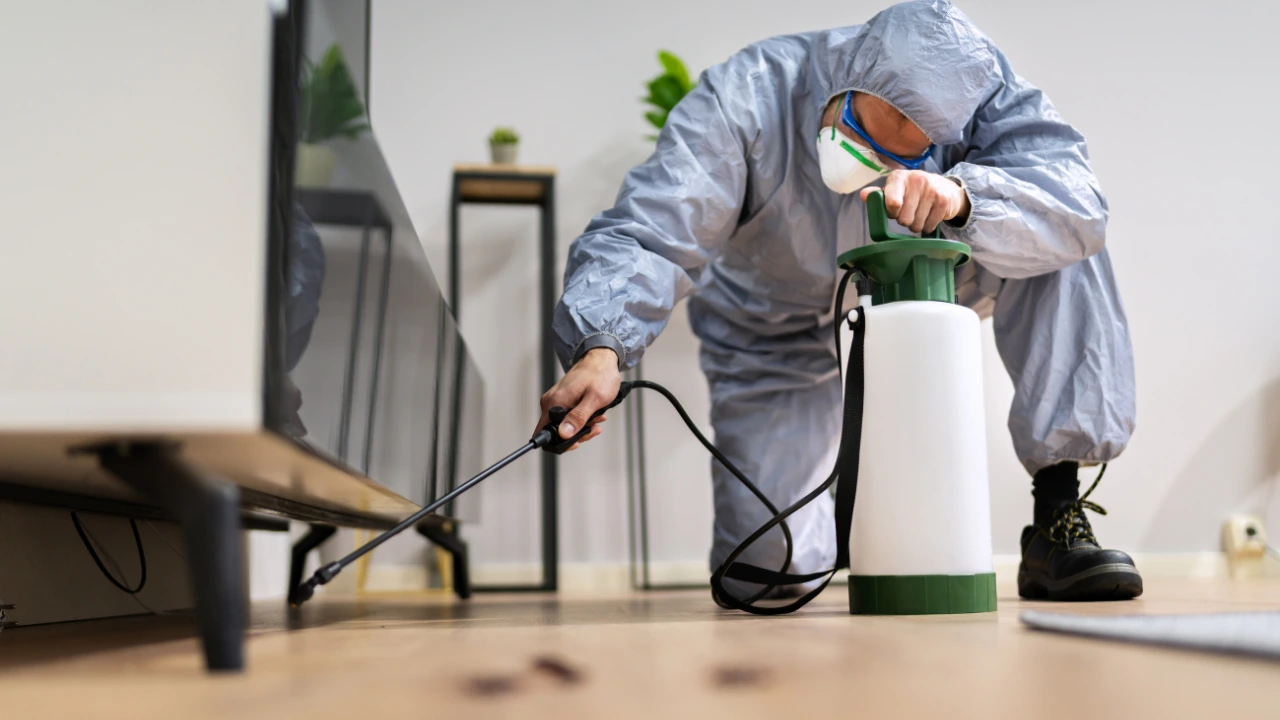
Modern pest control integrates chemical, biological, and physical methods to manage infestations effectively. Chemical treatments, such as insecticides and rodenticides, target specific pests while minimizing risks to humans, pets, and the environment. Biological control introduces natural predators or beneficial organisms to reduce pest populations sustainably. Physical approaches, including traps, barriers, and sealing entry points, prevent pests from entering buildings and reproducing indoors. Integrated Pest Management (IPM) combines these approaches, emphasizing monitoring, inspection, and prevention before chemical treatments are applied. This method ensures long-term, environmentally responsible, and effective pest control.
Prevention is a fundamental part of effective pest control. Maintaining cleanliness, storing food properly, and disposing of waste regularly removes sources of sustenance for pests. Sealing cracks, gaps, and entry points prevents rodents and insects from infiltrating homes and workplaces. Outdoor maintenance, such as trimming vegetation, clearing debris, and removing standing water, reduces breeding grounds for mosquitoes, flies, and other insects. Preventive measures not only decrease the likelihood of infestations but also reduce reliance on chemical interventions, saving time and resources in the long run.
Professional pest control services provide tailored solutions for residential, commercial, and industrial settings. Residential services focus on protecting homes and families, while commercial services help businesses comply with hygiene and safety standards in industries such as healthcare, food service, and hospitality. Technicians assess pest species, evaluate the severity of infestations, and implement effective treatment plans. Many companies also offer emergency response, ongoing maintenance, and educational guidance to ensure continued prevention and control.
Environmentally responsible pest control is increasingly important. Sustainable methods, including low-toxicity chemicals, natural repellents, and habitat management, minimize harm to humans, pets, and beneficial wildlife. Eco-friendly pest control emphasizes prevention, monitoring, and targeted interventions, balancing effectiveness with environmental responsibility. Sustainable practices protect property and health while supporting ecological balance and community well-being.
In conclusion, pest control is essential for maintaining safe, healthy, and hygienic environments. It protects human health, prevents property damage, and reduces the risk of disease transmission. By combining preventive strategies, professional expertise, and modern technologies, pest control provides effective and sustainable solutions for homes, businesses, and public spaces. Implementing proper pest management ensures safer, healthier, and more comfortable living and working environments, safeguarding people, property, and communities for the long term.
About the Author