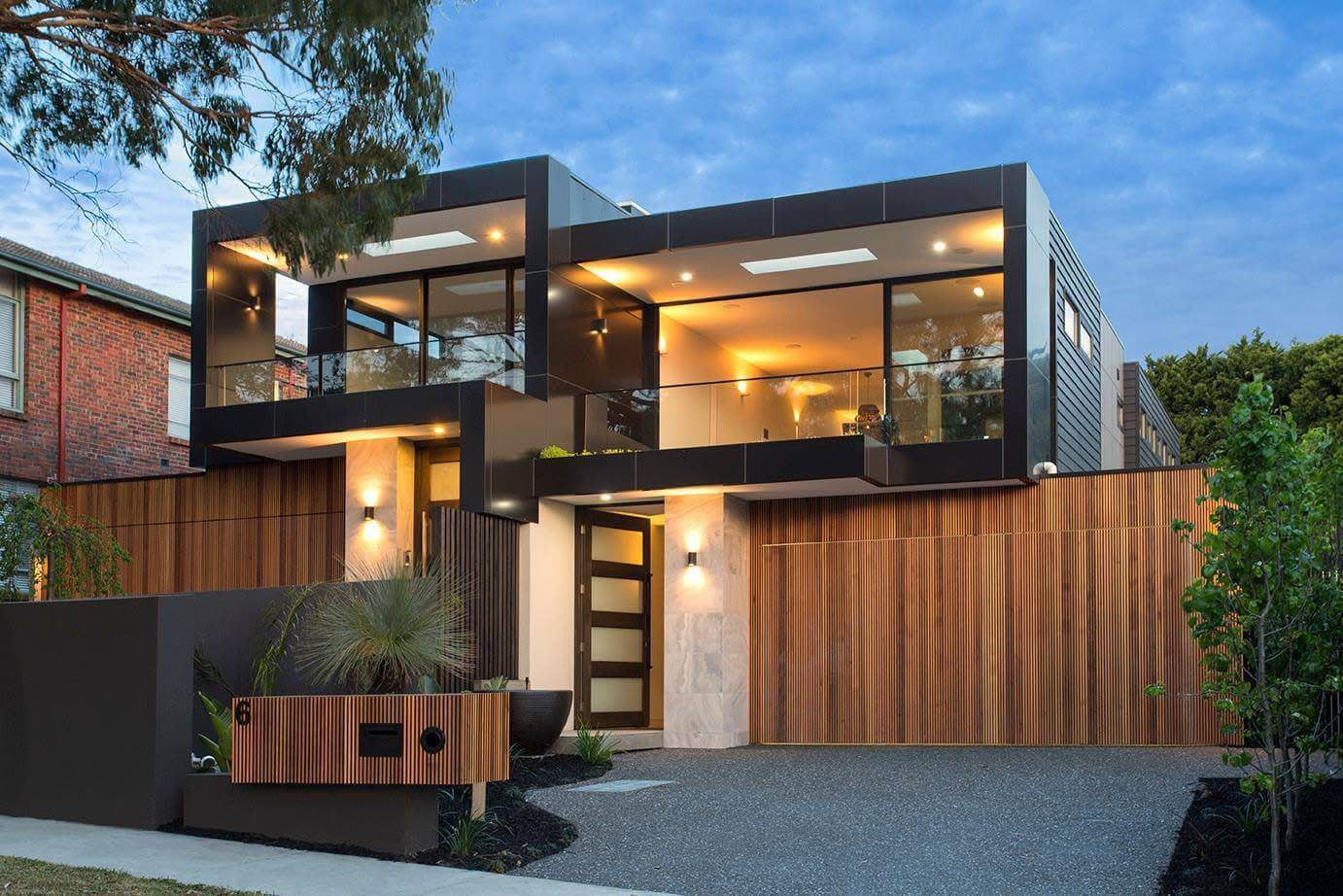
Minimalist interior design has become a defining style for modern apartment living, offering a clean, functional, and calming environment. Rooted in the idea of “less is more,” this approach focuses on simplicity, intentionality, and the removal of unnecessary clutter. Mastering minimalist interior design is not about creating empty spaces—it’s about designing a home that feels open, purposeful, and visually harmonious.
The first step in achieving a minimalist look is decluttering your Concrete Contractors Detroit. Every item in your space should serve a purpose, whether functional or aesthetic. Begin by evaluating your belongings and removing anything that does not add value to your daily life. This process can feel challenging at first, but it is essential for creating a clean foundation. A clutter-free environment instantly makes your apartment feel larger and more organized, which is key in modern living spaces where square footage is often limited.
Once you’ve decluttered, focus on choosing a neutral color palette. Minimalist interiors typically rely on shades like white, beige, gray, and soft earth tones. These colors create a sense of calm and continuity throughout the space. You can add subtle contrast through textures or small accents, but it’s important to avoid overwhelming the room with bold or excessive colors. Keeping the palette simple allows the design to feel cohesive and timeless.
Furniture selection plays a crucial role in minimalist design. Opt for pieces that are simple, functional, and well-crafted. Avoid bulky or overly decorative furniture, and instead choose items with clean lines and sleek silhouettes. In a modern apartment, multi-functional furniture can be especially useful. For example, a bed with built-in storage or a foldable dining table can help maximize space without compromising style. Each piece should contribute to the overall aesthetic while maintaining practicality.
Another important aspect of minimalist design is maximizing natural light. A well-lit apartment feels more open and inviting. Keep window treatments light and airy, such as sheer curtains or simple blinds, to allow as much sunlight as possible to enter the space. Mirrors can also be strategically placed to reflect light and create the illusion of a larger room. Artificial lighting should be soft and warm, with simple fixtures that complement the overall design.
Storage solutions are essential for maintaining a minimalist apartment. Even after decluttering, you’ll still need a place to store everyday items. Choose storage options that are discreet and blend seamlessly into the design. Built-in shelves, hidden cabinets, and under-bed storage can help keep your belongings organized without adding visual clutter. The goal is to keep surfaces clean and free from unnecessary items, which enhances the minimalist aesthetic.
Textures and materials add depth and warmth to an otherwise simple space. While minimalist design emphasizes simplicity, it should never feel cold or sterile. Incorporate natural materials like wood, stone, linen, and cotton to create a balanced and inviting atmosphere. A soft rug, a textured throw, or a wooden coffee table can add character without overwhelming the design. The key is to use these elements sparingly and intentionally.
Decor in a minimalist apartment should be carefully curated. Instead of filling your space with numerous decorative items, choose a few meaningful pieces that reflect your personality. This could include a piece of artwork, a plant, or a unique sculpture. Plants are particularly effective in minimalist interiors, as they bring life and freshness to the space while maintaining simplicity. Remember, each decorative element should have a purpose and contribute to the overall harmony of the room.
Maintaining a minimalist apartment requires consistency and mindful habits. It’s not just about designing the space—it’s about sustaining it. Regularly assess your belongings and avoid accumulating unnecessary items. Develop a habit of putting things back in their designated places and keeping surfaces clear. Over time, this lifestyle becomes second nature and helps you preserve the calm and organized environment you’ve created.
Finally, personal comfort should never be sacrificed for the sake of aesthetics. Minimalism is about creating a space that works for you, not adhering to rigid rules. Your apartment should feel comfortable, functional, and reflective of your lifestyle. By combining simplicity with intentional design choices, you can create a modern minimalist apartment that is both stylish and livable.
Mastering minimalist interior design takes time and thoughtful planning, but the results are well worth the effort. A well-designed minimalist apartment offers a sense of peace, clarity, and efficiency that enhances everyday living. By focusing on simplicity, functionality, and intentionality, you can transform your modern apartment into a space that truly feels like home.
About the Author