Wedding photographs often become some of the most treasured reminders of a couple’s relationship. They preserve the excitement before the ceremony, the emotions of exchanging vows, and the celebrations shared with family and friends. However, creating a beautiful collection involves more than hiring someone with a good camera. Careful planning, comfortable communication, and a clear understanding of personal preferences all contribute to a successful photography experience.
Couples who prepare in advance can enjoy their wedding day with greater confidence while giving their photographer the information needed to capture meaningful moments.
Start Planning Early
Booking a wedding photographer early provides more time to explore different styles, compare prices, and discuss expectations. Popular professionals may receive reservations well in advance, particularly during busy wedding seasons. If you are searching for wedding photographers Loudon County call Jessica Smith Photographer.
Begin by researching photographers whose portfolios reflect the style you prefer. Some specialize in traditional portraits, while others focus on documentary photography, artistic compositions, or a mixture of approaches.
Look beyond individual photographs and examine complete wedding galleries. This helps you understand how the photographer documents the entire event, including preparation, ceremonies, group portraits, and evening celebrations.
Once you have identified suitable candidates, ask about availability, package details, and the booking process. A written agreement should confirm the date, location, agreed services, payment arrangements, and delivery expectations.
Prepare for the Engagement Session
An engagement session can be a useful opportunity to become comfortable with your photographer before the wedding. It allows couples to experience the photographer’s direction, practice natural poses, and discover which types of images they enjoy most.
Choose a location that has personal meaning or matches your preferred atmosphere. A park, garden, historic street, beach, or favorite meeting place can provide an attractive setting. The best choice depends on accessibility, available light, weather, and any permissions required.
Clothing should complement the location without distracting from the people in the photographs. Coordinated colors can create a polished appearance, but matching every detail is unnecessary. Choose outfits that feel comfortable and reflect your personalities.
During the session, focus on interacting naturally rather than trying to make every pose perfect. Walking together, talking, and sharing genuine laughter can create photographs that feel authentic.
Organize the Wedding Day Schedule
A realistic schedule helps the photographer move between important events without rushing. Discuss the ceremony time, travel arrangements, preparation locations, and expected duration of formal portraits well before the wedding.
Consider setting aside enough time for photographs of the couple, wedding party, and immediate family. If multiple locations are involved, include travel time and allow some flexibility for unexpected delays.
A detailed shot list can be especially useful for family photographs. Include essential groupings and identify anyone who should receive particular attention. This is helpful when elderly relatives, guests with mobility limitations, or family members with complicated schedules are involved.
Although planning matters, leave room for spontaneous moments. Some of the most memorable photographs happen when people are not consciously posing for the camera.
Make the Most of Your Venue
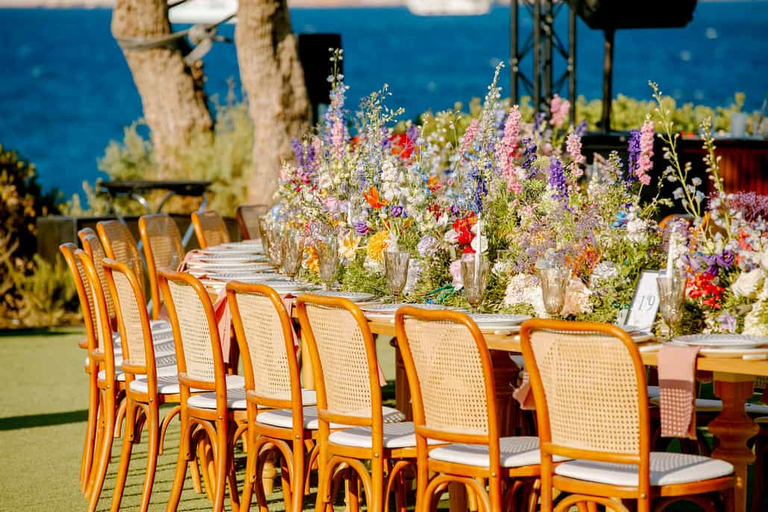
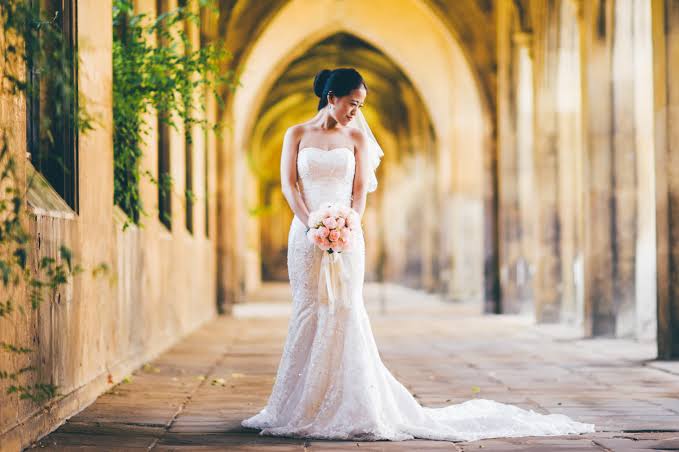
The wedding venue can contribute significantly to the visual character of the final photographs. Architectural features, gardens, decorative details, and attractive natural surroundings can provide opportunities for creative portraits.
During the planning stage, ask your photographer whether they would benefit from visiting the venue or reviewing photographs of the space. This can help them identify suitable portrait locations and prepare for challenging lighting conditions.
For outdoor weddings, consider a backup plan in case the weather changes. Indoor spaces, covered walkways, or alternative portrait locations may help maintain the schedule when conditions are unpredictable.
For evening receptions, ask how the photographer handles dim lighting and crowded dance floors. Appropriate equipment and technical experience can help capture the atmosphere without making every image look overly artificial.
Communicate Your Preferences Clearly
Open communication helps ensure that the final photographs reflect the couple’s expectations. Share examples of images you admire, but explain what appeals to you about them. You might prefer natural expressions, soft colors, dramatic lighting, or simple compositions.
Also explain which photographs are essential and whether there are any poses or situations you would rather avoid. A professional photographer should respect these preferences and provide clear guidance throughout the day.
Discuss privacy before signing the contract. Confirm whether photographs may be shared publicly, how digital files are stored, and who will have access to the final gallery.
Preserve Your Photographs for the Future
Once the images are delivered, download the files and create backup copies. Storing them in more than one secure location can reduce the risk of losing irreplaceable memories if a device fails.
Couples may also choose to create a printed album or select favorite photographs for display at home. Printed collections offer a different experience from viewing images on a screen and can become meaningful family keepsakes.
Conclusion
A successful wedding photography experience begins with thoughtful preparation and continues through clear communication on the wedding day. By choosing a compatible photographer, planning a realistic schedule, preparing for different locations, and discussing personal preferences, couples can create an environment where meaningful moments are captured naturally. The result is a collection of photographs that reflects not only how the wedding looked but also the emotions, relationships, and experiences that made the celebration special.
About the Author