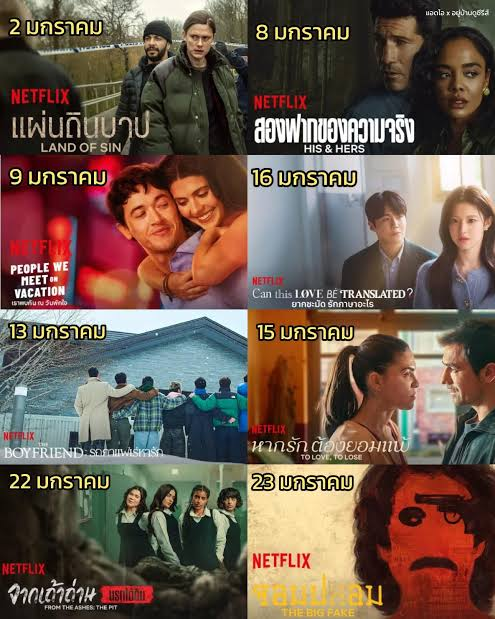
For most of the twentieth century, global pop culture flowed in one direction. Hollywood made the blockbusters, and the rest of the world bought the tickets. Over the past few years, however, that monopoly has shattered. Look at any global trending chart today and you are just as likely to see a South Korean revenge thriller, a Spanish heist drama, or a Turkish period piece sitting at the top spot.
The South Korean Blueprint
South Korea’s rise as an entertainment juggernaut didn’t happen overnight with Parasite or Squid Game. For two decades, Korean screenwriters and directors have been perfecting a very specific storytelling alchemy: blending genres that Western studios always kept separate. A single Korean film or K-drama can start as a quirky workplace comedy, pivot into a nerve-shredding serial killer mystery, and end as a devastating family tragedy—all without feeling disjointed.
More importantly, Korean creators aren’t afraid to tackle uncomfortable social realities. Themes of crushing debt, class divide, school bullying, and corporate corruption are woven directly into high-concept entertainment. Viewers don’t just get an adrenaline rush; they get stories that reflect real-world frustrations.
Why Western Formulas Started Feeling Predictable
While international creators were taking risks, major Hollywood studios spent the last decade relying heavily on nostalgia—endless reboots, legacy sequels, and cinematic universes that require watching twelve previous movies just to understand a post-credit scene. Audience fatigue set in naturally. When you watch a Spanish thriller like Money Heist or a German sci-fi puzzle like Dark, you have no idea who is going to survive the season because those industries don’t follow the safe, focus-grouped rulebook of American network television.
The Rise of Multi-Audio Accessibility
Accessibility played an equally huge role in this cultural crossover. Years ago, watching foreign cinema meant hunting down obscure DVDs with terrible translations. Now, high-quality dubbing and accurate subtitles drop almost simultaneously with original broadcasts. Sites such as MovieLinkBD have made it easy for viewers to jump between Korean survival dramas, Japanese live-action adaptations, and European crime series without worrying about language barriers or buried links.
What we are witnessing isn’t a temporary fad. Once a viewer realizes that some of the sharpest screenwriting in the world is coming out of Seoul, Madrid, and Mumbai, going back to a single-country diet of movies feels impossibly narrow.
About the Author