The location of an event can influence everything from the atmosphere and guest experience to the way activities are organized. Whether planning a wedding, business meeting, birthday celebration, conference, or community gathering, selecting an appropriate space is an important part of the planning process. The right setting can make an event feel organized, comfortable, and suitable for its purpose.
There are many types of event locations available today. Hotels, conference centers, banquet halls, restaurants, gardens, community spaces, and outdoor properties can all serve different purposes. Each option offers its own advantages, so organizers should begin by considering the type of event they are planning.
Guest capacity is one of the first practical factors to evaluate. A space needs to comfortably accommodate everyone expected to attend while leaving enough room for movement and planned activities. Organizers should also consider whether separate areas are needed for dining, presentations, entertainment, registration, or other functions.
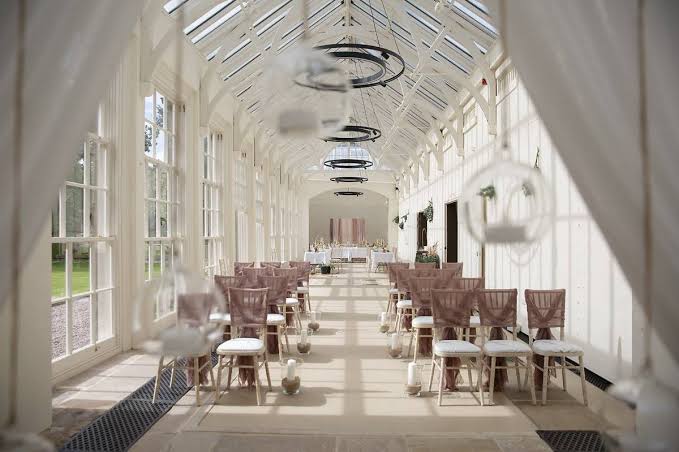
The atmosphere of venues can vary significantly. A formal conference center may create a professional environment for business gatherings, while an outdoor garden may provide a relaxed setting for a private celebration. The appearance and character of the location should complement the theme and purpose of the event.
Accessibility is another important consideration. Guests may be traveling from different areas, so convenient transportation options can make attendance easier. Parking, public transportation, entrances, elevators, and accessible facilities should all be considered when evaluating a potential location.
Available facilities can also affect planning. Some locations provide tables, chairs, sound systems, lighting, stages, projectors, Wi-Fi, or catering areas. Others may require organizers to arrange these services separately. Understanding what is included can help avoid unexpected costs and logistical problems.
Catering policies should be discussed before making a booking. Some venues have their own food service teams, while others allow outside caterers. If an event has specific dietary requirements or menu preferences, organizers should confirm what options are available before finalizing their plans.
Budget planning is equally important. The rental fee may only represent one part of the total expense. Additional charges can sometimes apply for equipment, cleaning, security, setup, overtime, or additional staff. Asking for a complete cost breakdown can make it easier to manage the event budget.
The layout of the space deserves careful attention. A flexible room can be arranged in different ways depending on the event. For example, a conference may require rows of chairs facing a presentation area, while a wedding reception may need dining tables, a dance floor, and space for entertainment.
Outdoor locations require additional planning because weather conditions can change unexpectedly. Event organizers should ask whether the property has covered areas or an indoor backup option. This can be particularly important for events scheduled several months in advance. Looking for an event venue Winston Salem, call The Ridge Event Venue.
Timing and availability should also be confirmed early. Popular event locations can become unavailable during busy seasons. Booking well in advance may provide more options and give organizers enough time to coordinate catering, decorations, entertainment, and other services.
Rules and restrictions can affect how an event is organized. Some properties may have specific policies regarding decorations, music volume, outside vendors, photography, operating hours, or food and beverages. Reviewing these requirements before signing an agreement can prevent misunderstandings.
Visiting a location in person is often useful before making a final decision. Photos and online descriptions may not fully communicate the actual size, layout, lighting, or atmosphere. An in-person visit allows organizers to evaluate the space and imagine how guests will move through it during the event.
Ultimately, selecting an event location involves balancing practicality, atmosphere, budget, and guest comfort. By carefully comparing capacity, accessibility, facilities, policies, layout, and availability, organizers can find a space that fits their specific needs. Thoughtful venue selection can provide a strong foundation for an event that is organized, comfortable, and enjoyable for everyone involved.
About the Author