A well-designed driveway does more than provide a place to park vehicles. It creates a welcoming entrance, improves access to different areas of a property, and contributes to the overall appearance of the outdoor space. Whether a homeowner is building a new driveway or upgrading an existing one, thoughtful planning can make a significant difference in both functionality and long-term durability.
Choosing the Right Surface for Your Driveway
Selecting a suitable driveway material is one of the most important decisions in any outdoor improvement project. Different materials offer different advantages depending on the property’s layout, expected traffic, climate, and maintenance requirements.
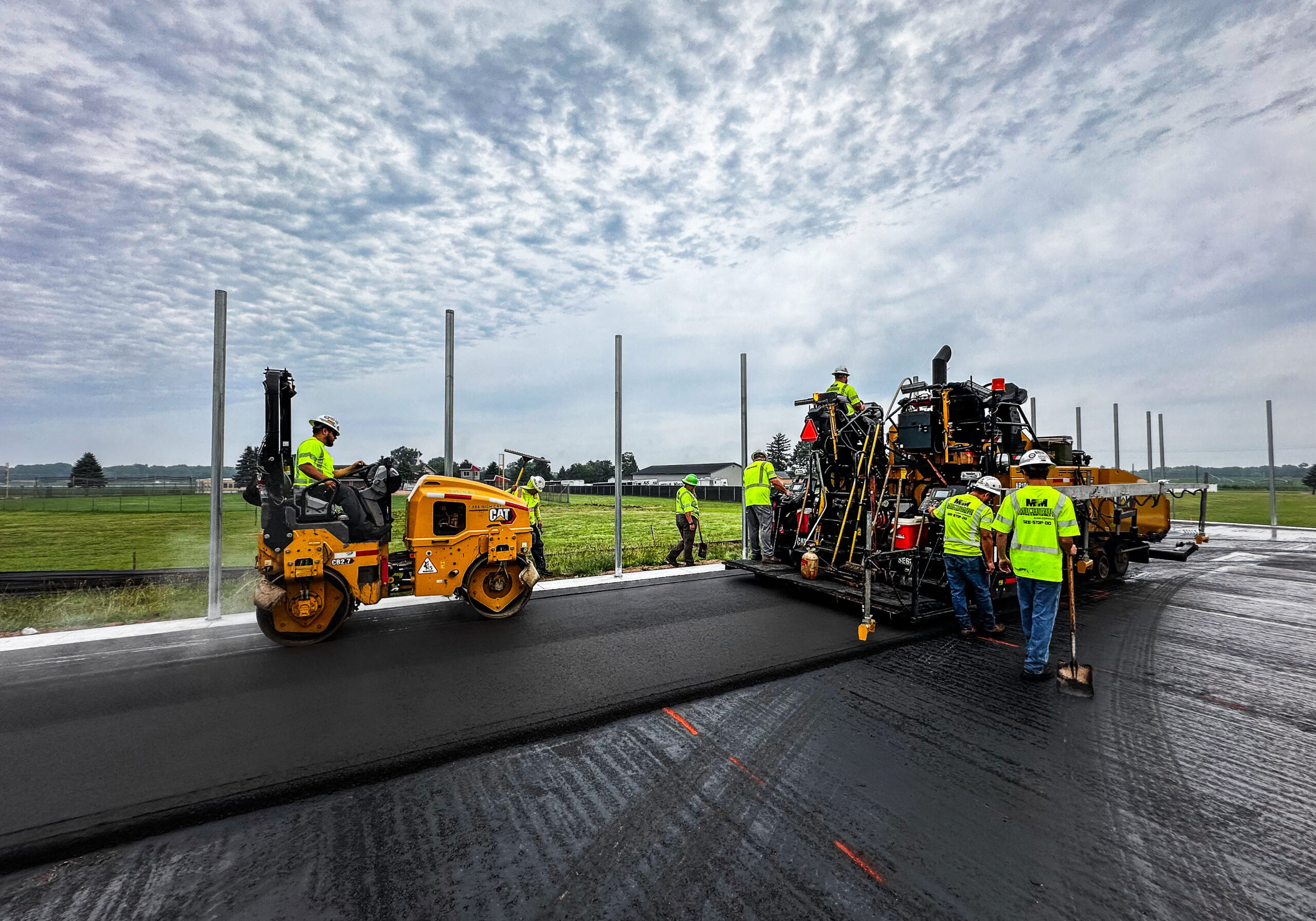
Asphalt is a popular option because it provides a smooth, practical surface and can be suitable for residential and commercial applications. Concrete offers another durable choice, with opportunities for different finishes and decorative designs. Gravel may appeal to property owners looking for a more affordable surface, although it generally requires more frequent maintenance.
Before making a decision, homeowners should consider how many vehicles will use the driveway and whether heavy equipment or delivery vehicles will need regular access.
Why Proper Ground Preparation Matters
A driveway’s durability depends heavily on what lies beneath its visible surface. Even high-quality materials may develop problems if the ground is not prepared correctly.
The preparation process generally involves clearing the area, evaluating soil conditions, establishing suitable levels, and creating a stable foundation. Proper compaction helps reduce the possibility of uneven settling, while appropriate base materials provide support for the finished surface.
Ignoring these steps can lead to cracks, depressions, and drainage problems. For this reason, experienced contractors pay close attention to site conditions before beginning installation.
Managing Water and Drainage Effectively
Water management is an essential part of outdoor construction. When rainwater collects on a driveway, it can gradually weaken the surface and contribute to deterioration.
A properly designed driveway should direct water away from buildings, garages, and other vulnerable areas. The slope of the surface, nearby drainage channels, and surrounding landscaping all influence how water moves across the property.
Homeowners should also consider existing downspouts and drainage systems when planning improvements. If water regularly collects near the entrance or garage, the underlying drainage arrangement may need attention before a new surface is installed.
Creating an Attractive Outdoor Appearance
A driveway is often one of the first features visitors notice when approaching a property. Its design can complement the house, landscaping, walkways, and other exterior elements.
Simple choices such as clean edges, suitable colors, and consistent materials can create a more organized appearance. Some homeowners prefer decorative borders or patterned surfaces, while others choose a traditional design that blends naturally with the surrounding landscape.Looking for a driveway paving Lynchburg call Wells Asphalt LLC.
A professional paving company can help property owners evaluate available materials, understand installation requirements, and select a design that suits the property’s practical needs and visual style.
Maintaining the Surface Over Time
Regular maintenance helps protect a driveway and preserve its appearance. Homeowners should periodically inspect the surface for cracks, loose materials, drainage issues, and areas where water may collect.
Removing dirt, leaves, and other debris can prevent unnecessary buildup. Small cracks should also be assessed promptly because allowing water to enter the base may contribute to more extensive damage.
The appropriate maintenance routine depends on the surface material. Asphalt, concrete, and gravel each require different care, so following suitable maintenance recommendations can help extend the useful life of the installation.
Planning a Successful Driveway Project
Before starting an improvement project, homeowners should establish a realistic budget and discuss their expectations with the contractor. The estimated cost should clearly explain preparation work, materials, installation, drainage considerations, and any additional services.
It is also sensible to review the contractor’s previous projects, insurance coverage, and experience with similar properties. A clear agreement about the project schedule and expected results can help prevent misunderstandings.
Improving Your Property with a Well-Planned Driveway
A properly constructed driveway can improve accessibility, support daily activities, and enhance the overall appearance of a property. By choosing appropriate materials, preparing the foundation carefully, managing drainage, and following a regular maintenance routine, homeowners can enjoy a surface that remains functional and attractive for years.
About the Author