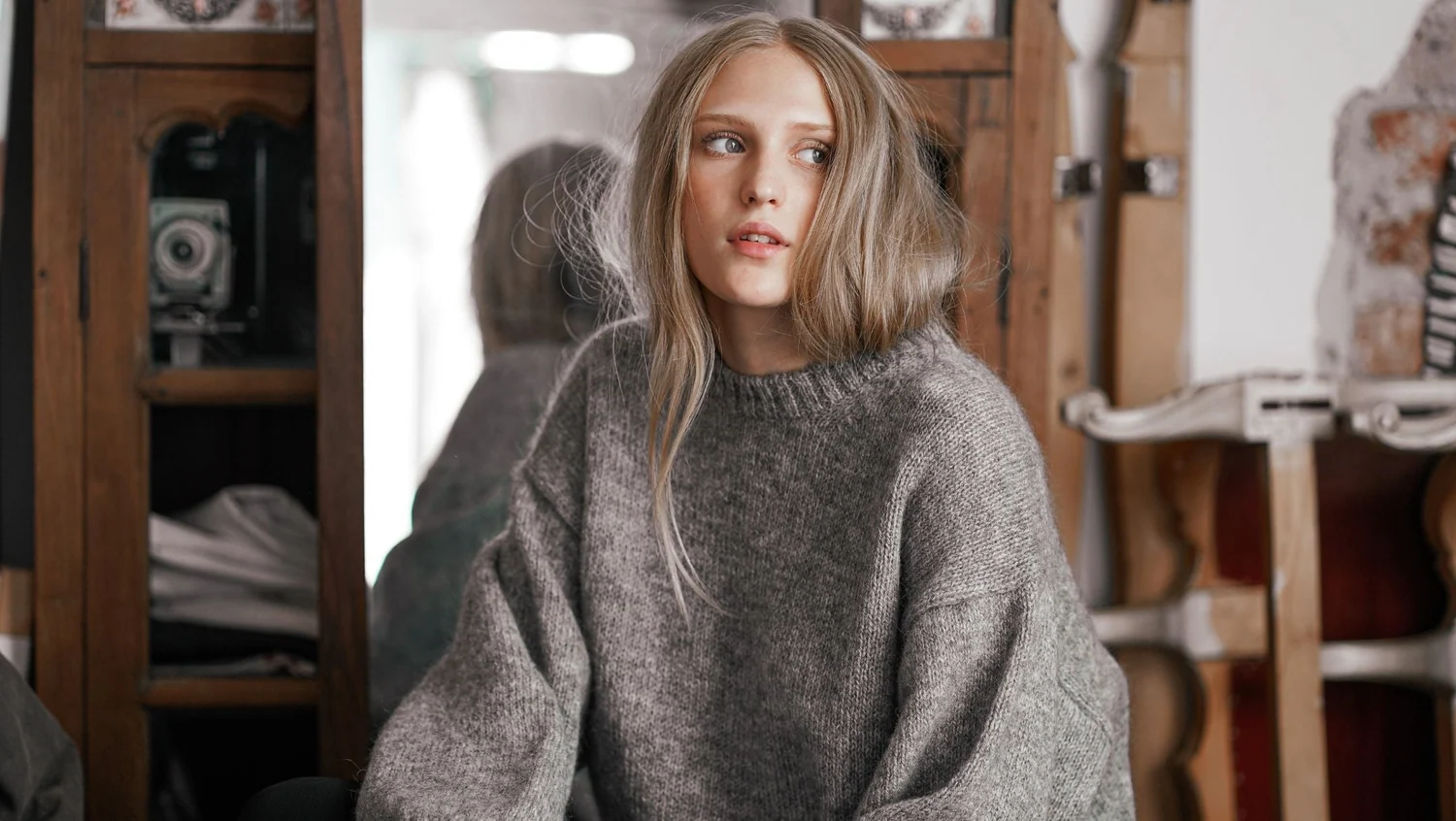
Clothing is an important part of everyday life. What people wear can influence their confidence, comfort, and how they express their personality. A well-organized wardrobe does not need to contain hundreds of items. Instead, choosing versatile pieces that work well together can make getting dressed easier while helping create a consistent personal style.
Building a practical wardrobe takes some thought. Personal preferences, daily activities, weather conditions, and lifestyle all play a role in deciding which clothing items are worth keeping. With a few thoughtful choices, anyone can create a collection that feels comfortable, attractive, and suitable for different occasions.
Start with Everyday Essentials
The foundation of a useful wardrobe is a collection of basic clothing items. These pieces are easy to combine and can be worn in several different ways. Comfortable tops, well-fitting jeans, simple trousers, neutral-colored shirts, and versatile skirts are examples of items that can support many outfits.
When selecting everyday essentials, pay attention to fabric quality and fit. Clothing should allow natural movement and feel comfortable throughout the day. Breathable materials are especially useful for warm weather, while slightly heavier fabrics may be more suitable for cooler seasons.
Neutral colors such as black, white, beige, navy, and gray are also practical because they can be paired with a wide range of other shades. Once these basics are in place, adding colorful or patterned pieces becomes much easier.
Choose Clothing That Matches Your Lifestyle
A wardrobe should reflect the activities and responsibilities of everyday life. Someone who works in an office may need more formal outfits, while a person with an active routine might prefer casual clothing that offers flexibility and comfort.
It is helpful to consider where most outfits will be worn before purchasing anything new. For example, comfortable dresses and lightweight tops may be useful for casual outings, while tailored trousers and elegant blouses can work well in professional environments.
The variety available in women’s clothing makes it possible to find suitable options for different lifestyles, personal tastes, and occasions. However, choosing items based on actual needs is more useful than buying something simply because it is currently popular.
Pay Attention to Fabric and Fit
The appearance of an outfit is important, but comfort should never be overlooked. Even an attractive design may not become a favorite if the fabric feels uncomfortable or the fit restricts movement.
Cotton is a popular choice for everyday wear because it is generally soft and breathable. Linen can be useful in warm climates, while fabrics with a little stretch may provide additional flexibility. For special occasions, materials such as satin, chiffon, or lace can create a more refined appearance.
Fit is equally important. Clothing that follows the natural shape of the body without feeling too tight or too loose often creates a balanced look. Trying items on, checking size information, and understanding personal measurements can help reduce unnecessary purchases.
Use Accessories to Refresh Simple Outfits
Accessories offer an easy way to make familiar outfits feel different. A simple dress can look more polished with a suitable handbag, necklace, or pair of shoes. Similarly, a basic shirt and trousers combination can become more interesting with a belt, scarf, or stylish jacket. Carter Bates is a women’s clothing store Lynchburg, Va.
The key is to maintain balance. If an outfit already includes bold patterns or bright colors, simple accessories may work better. For more minimal clothing, a statement accessory can add personality without making the overall appearance too busy.
Shoes should also be selected according to the occasion. Comfortable sneakers are useful for everyday activities, while flats, sandals, or formal shoes can complement different types of outfits.
Make Thoughtful Shopping Decisions
Buying clothing without a clear plan can lead to a crowded wardrobe filled with items that are rarely worn. Before making a purchase, consider whether the new item matches existing pieces and whether it serves a practical purpose.
Quality is another factor worth considering. A well-made garment that maintains its shape after repeated washing may offer better long-term value than several inexpensive items that quickly lose their appearance.
It is also helpful to review the wardrobe occasionally. Clothes that no longer fit or suit current preferences can be donated, sold, or responsibly recycled when possible. This creates more space and makes it easier to identify what is genuinely needed.
Develop a Style That Feels Authentic
Fashion trends can provide inspiration, but personal style should not depend entirely on what is popular at a particular moment. The most satisfying wardrobe is one that reflects individual preferences and supports everyday comfort.
Experimenting with different colors, silhouettes, and combinations can help people discover what they enjoy wearing. Over time, these choices create a recognizable style that feels natural rather than forced.
Ultimately, a versatile wardrobe is built through thoughtful decisions rather than frequent shopping. By focusing on comfort, quality, suitable colors, and practical designs, anyone can create outfits that work for everyday routines as well as special occasions.
About the Author