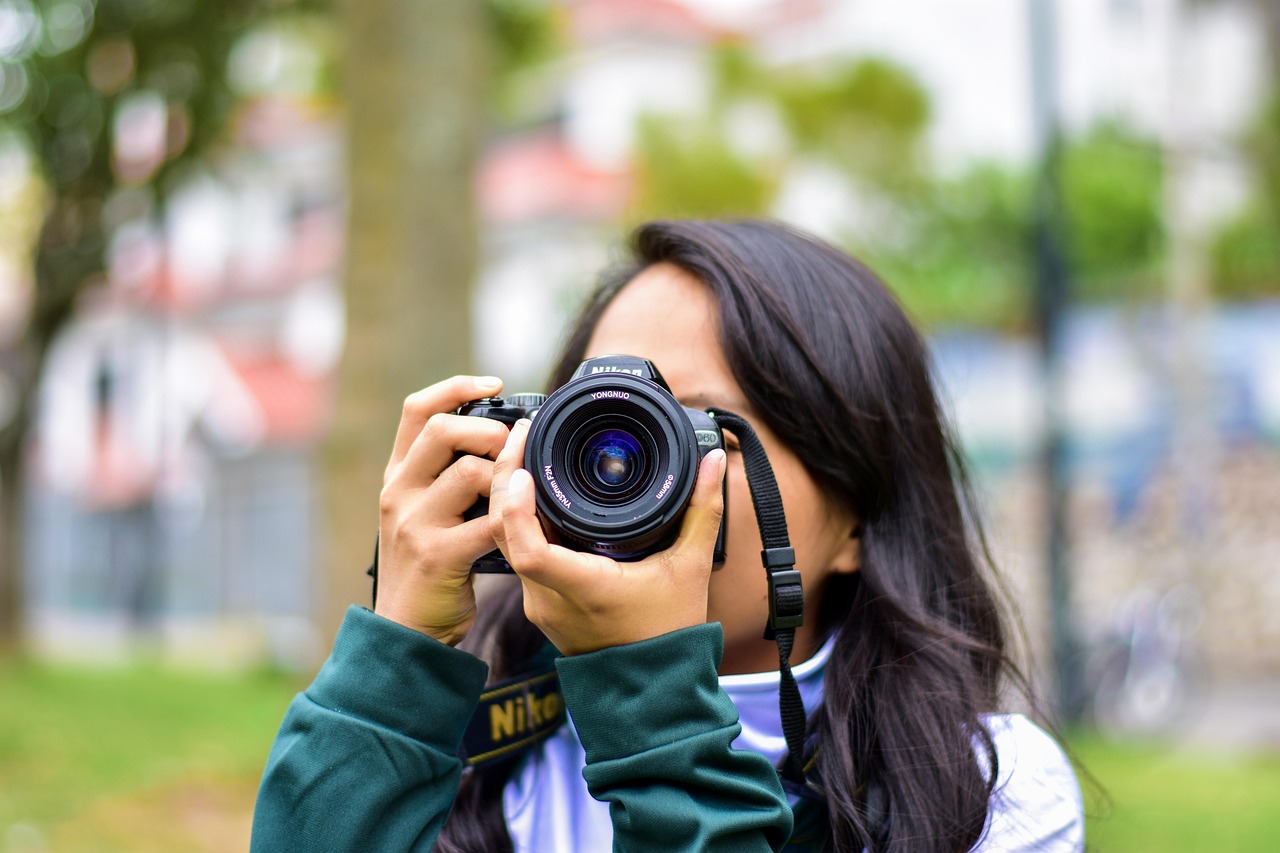
Photography is more than simply taking pictures. It is a creative way to capture emotions, preserve memories, and tell meaningful stories through images. Whether you are using a professional camera or a smartphone, learning a few essential photography techniques can greatly improve the quality of your photos. With practice, patience, and creativity, anyone can develop the skills needed to create beautiful and memorable images.
One of the most important elements of photography is lighting. Natural light often produces the best results because it creates soft, realistic colors and balanced shadows. Early morning and late afternoon, commonly known as the golden hours, provide warm lighting that enhances portraits and landscapes. Indoor photography also benefits from positioning subjects near windows to make use of available natural light.
Composition is another key factor in creating visually appealing photographs. A well-composed image guides the viewer’s attention toward the main subject. One popular technique is the rule of thirds, where the frame is divided into nine equal sections using imaginary lines. Placing the subject along these lines or at their intersections creates a balanced and professional-looking photograph. Keeping the background simple also helps the main subject stand out. Looking for wedding photographer Charlottesville contact Jessica Lapp Photography.
Understanding focus is essential for sharp and clear images. Whether photographing people, animals, or objects, ensuring the primary subject is in focus makes the image more attractive. Modern smartphones and digital cameras provide autofocus features that simplify this process, but learning manual focus can offer greater control in challenging situations.
Choosing the right angle can completely change the appearance of a photograph. Instead of always shooting from eye level, experiment by taking pictures from higher or lower positions. Different perspectives add creativity and make ordinary subjects appear more interesting. Walking around the subject before taking a picture often reveals unique compositions that might otherwise be overlooked.
Photography also requires attention to color and contrast. Bright, vibrant colors create energetic images, while softer tones often produce calm and elegant results. Paying attention to the relationship between colors helps create visually pleasing photographs. Contrasting colors can make subjects stand out, while similar color palettes create harmony within the frame.
Portrait photography focuses on capturing the personality and emotions of people. Encouraging natural expressions instead of forced poses creates more authentic images. Eye contact, genuine smiles, and relaxed body language often result in memorable portraits. A blurred background, achieved through portrait mode or a wide aperture, further emphasizes the subject.
Landscape photography celebrates the beauty of nature and outdoor scenery. Mountains, beaches, forests, rivers, and city skylines all provide excellent opportunities for stunning photographs. Including foreground elements such as flowers, rocks, or trees adds depth and dimension to landscape images. Patience is also important, as weather and lighting conditions can dramatically affect the final result.
Editing is an important part of the modern photography process. Basic adjustments to brightness, contrast, sharpness, and color balance can significantly improve an image without making it look unnatural. Numerous editing applications allow photographers to enhance their photos while maintaining a realistic appearance. However, excessive editing should be avoided, as it may reduce image quality and authenticity.
Regular practice is one of the most effective ways to improve photography skills. Trying different subjects, experimenting with lighting, and exploring new locations help photographers develop creativity and technical confidence. Studying the work of experienced photographers can also provide inspiration and introduce new techniques worth practicing.
Photography equipment continues to evolve, offering more options for both beginners and professionals. While high-quality cameras provide advanced features, today’s smartphones are capable of capturing impressive images as well. The photographer’s creativity, understanding of composition, and ability to use available light often matter more than expensive equipment.
In conclusion, photography is a rewarding hobby and valuable skill that allows people to preserve life’s most meaningful moments. By mastering lighting, composition, focus, perspective, and editing techniques, anyone can create stunning photographs that tell compelling stories. With consistent practice and a creative mindset, photography becomes not just a way to capture images but a powerful form of artistic expression.
About the Author